




Build and design
- Mobile-friendly design
- Copywriting for every page
- Logo design
- Compliant with Ahpra and TGA advertising guidelines
- SEO, so patients find you on Google
- Set up to appear in AI search

For clinics and doctors, compliant with Ahpra and TGA advertising guidelines. Built in Melbourne by a final-year medical student.


One flat fee for the build, one monthly fee for care. Built in 7 to 10 days, and you approve every page before it goes live.
Prices are in Australian dollars and are the total you pay. No GST or other fees are added.
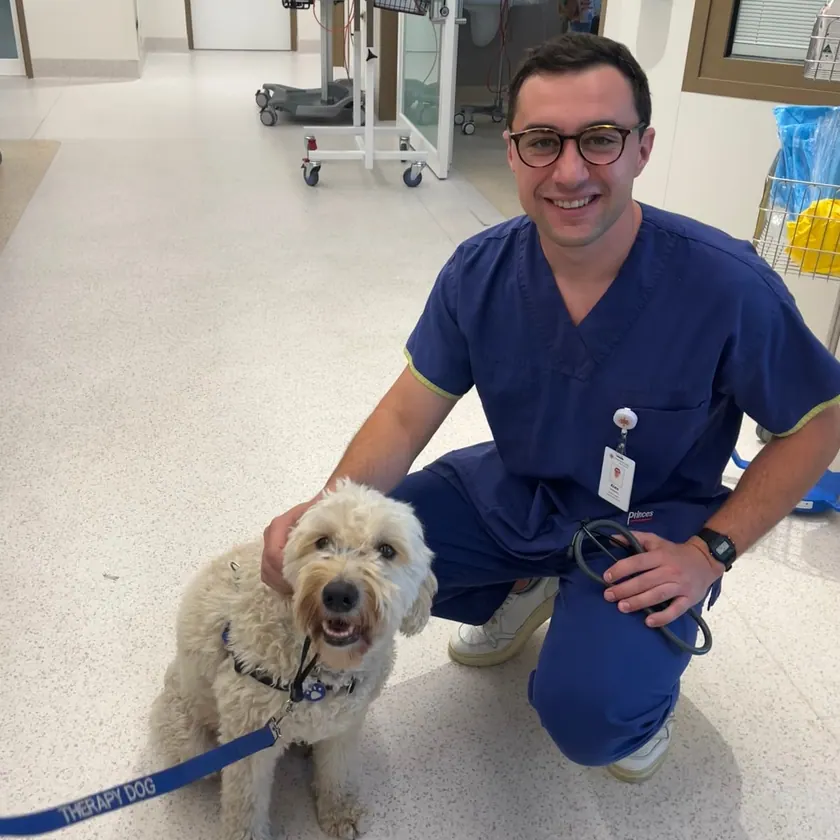
ShepTech is a Melbourne software company run by Alex Shepherd (Shep), a final-year medical student and software developer. ShepTech builds practice websites, medical education platforms and clinical software for medical students, doctors in training, specialist educators and clinics across Australia.

$3,299 as a flat fee for a three-page website, which is enough for most practices. That covers the design, copywriting for every page, a logo, and search engine optimisation. Online booking through your practice software, such as HotDoc, Cliniko, HealthEngine or Halaxy, is $990 extra.
Care and maintenance is $149 a month: hosting, a monthly security check, a quarterly Google Analytics report and 4 content changes a month. These prices are the total you pay, with no GST or other fees added. The pricing section has the detail.
A three-page practice website takes 7 to 10 days to build. You then review every page, tell me what to change, and approve it before it goes live.
A mobile-friendly design, copywriting for every page, a logo, search engine optimisation so patients find you on Google, and set-up so the practice can appear in AI search.
Every page is written to comply with the Ahpra and TGA advertising guidelines.
Every page is written and checked against the Ahpra advertising guidelines and the TGA's advertising rules from the first draft, rather than tidied up before launch. That covers testimonials, claims that need evidence behind them, before-and-after photos, titles such as "specialist", and mentions of prescription medicines, which can't be advertised to the public.
Ahpra holds practitioners responsible for their own advertising, so you see and approve every page before it goes live, and the final say is yours. I'm not a lawyer and don't give legal advice.
Yes. Practice software integration adds online booking through HotDoc, Cliniko, HealthEngine, Halaxy and other major systems, for $990.
Every site is built to be found: fast pages, clear headings, copy written around what your patients search for, including local suburbs, and the structured information that Google and AI assistants read.
Nobody can honestly promise a ranking. The quarterly report shows how many people visited and whether they came from Google search, AI search or directly.
Half up front when you book your build, and half when you approve the final design. You can pay by Visa or Mastercard.
The care and maintenance plan keeps the site online, secure and up to date for $149 a month. Email me new content, such as doctors, services, fees or bios, and I'll add it: 4 content changes a month are included.
You don't have to explain how a practice runs, how exams and OSCEs work, or what patients and clinicians need to see.
I've sat the exams and OSCEs these platforms prepare people for, so the software follows how clinicians actually study and work, and the clinical detail is right the first time.
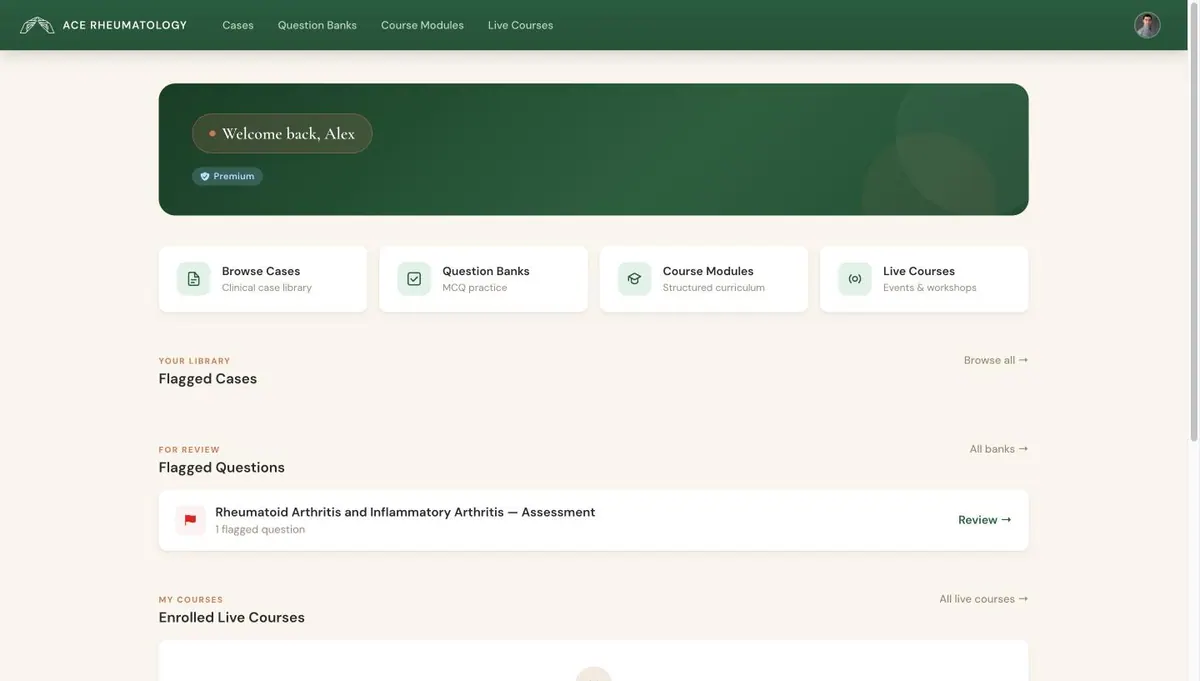
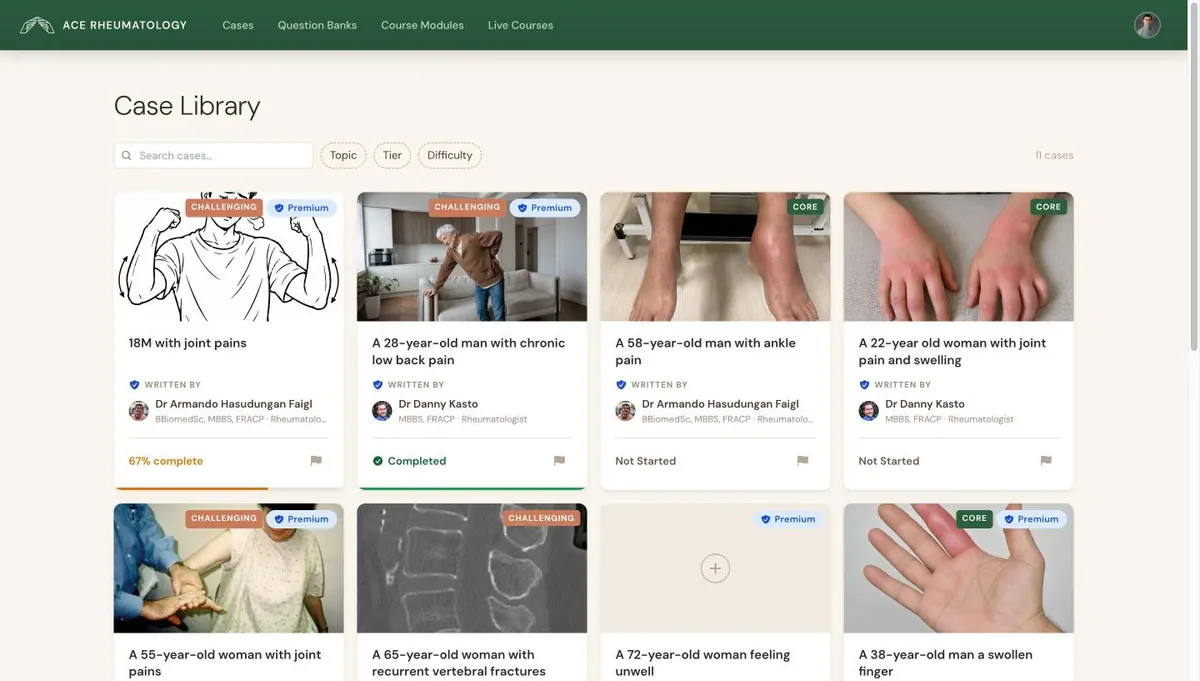
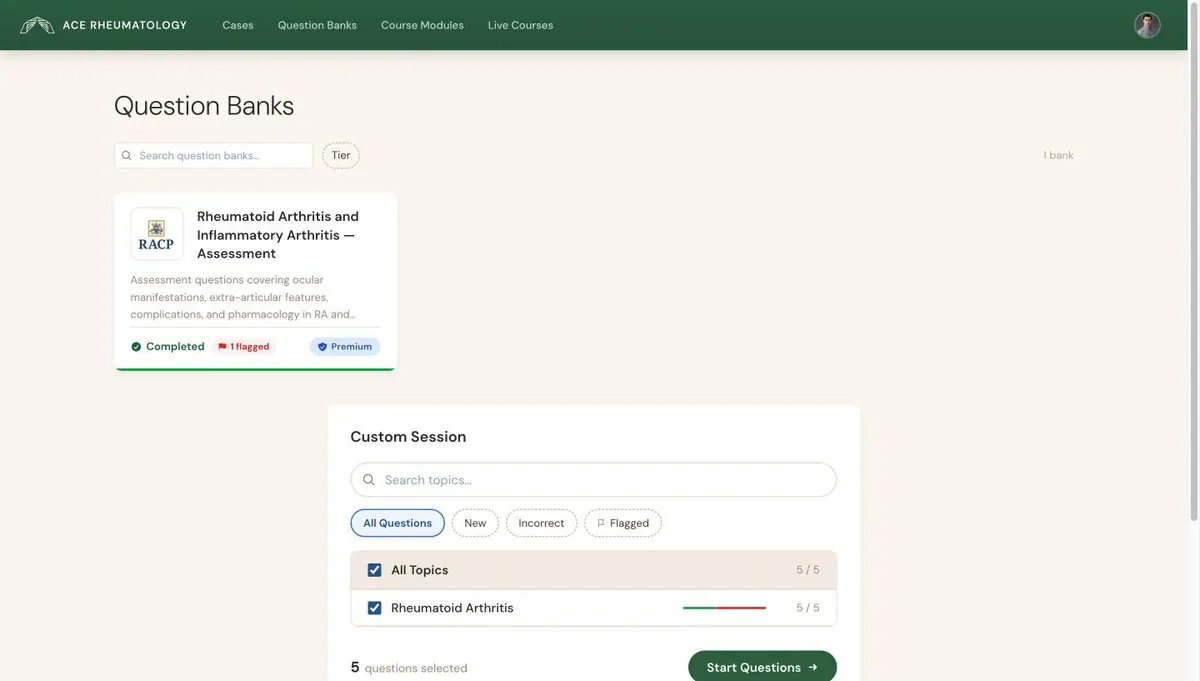
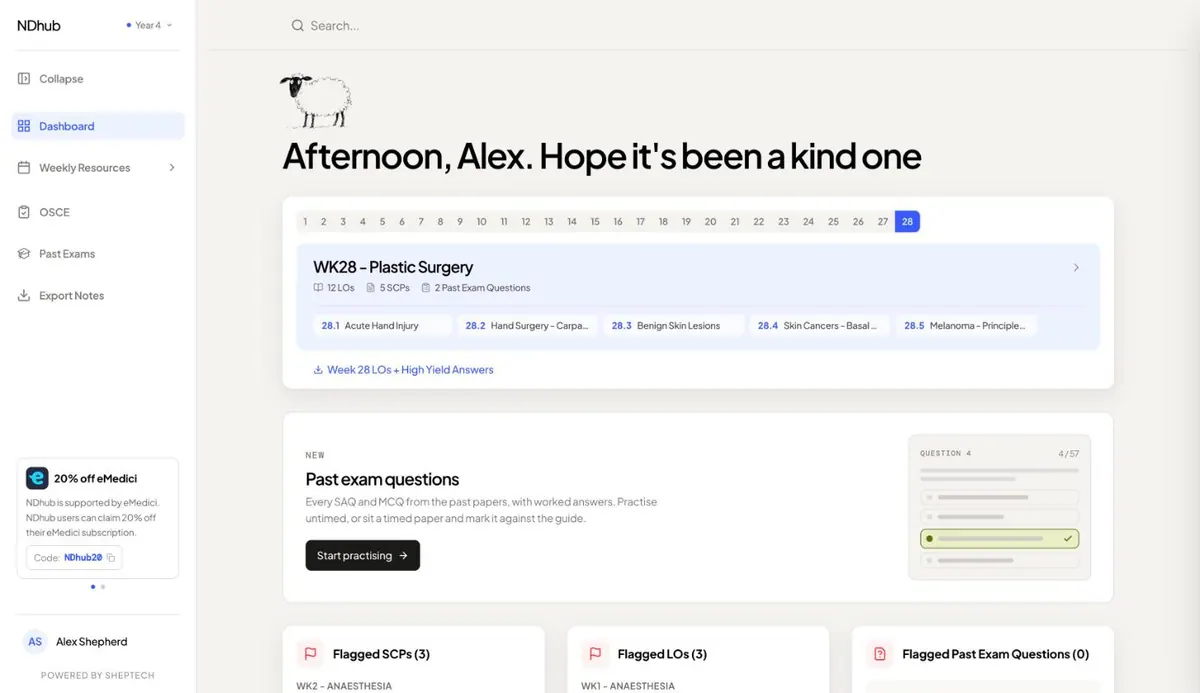
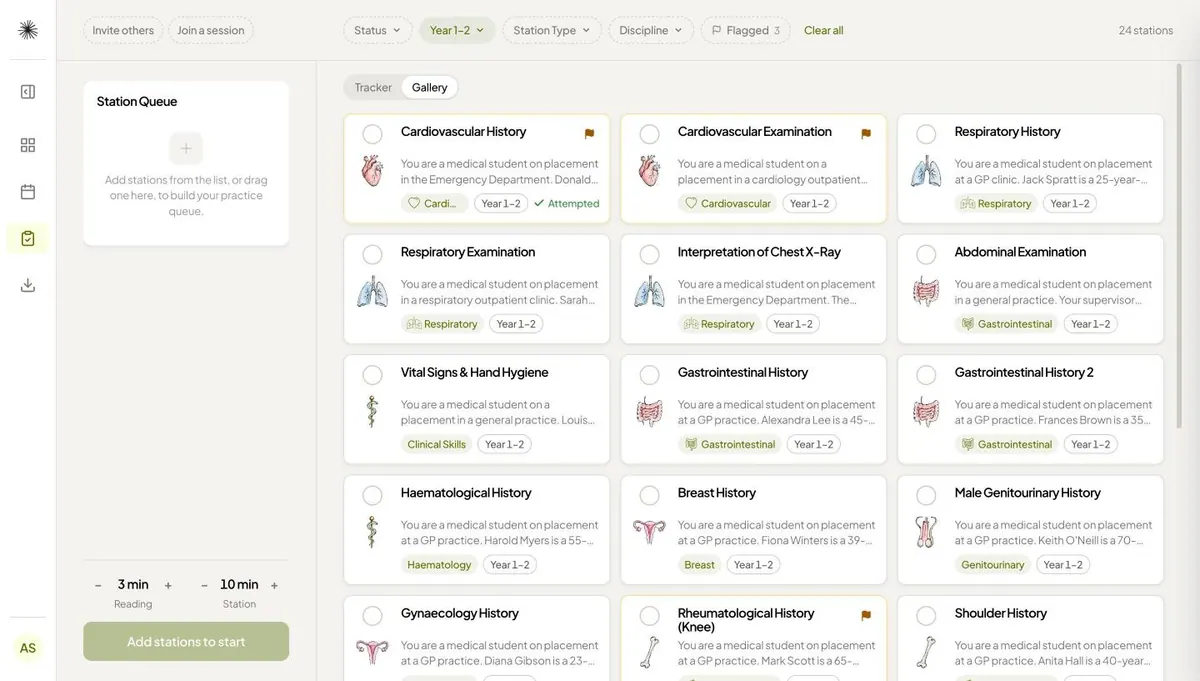
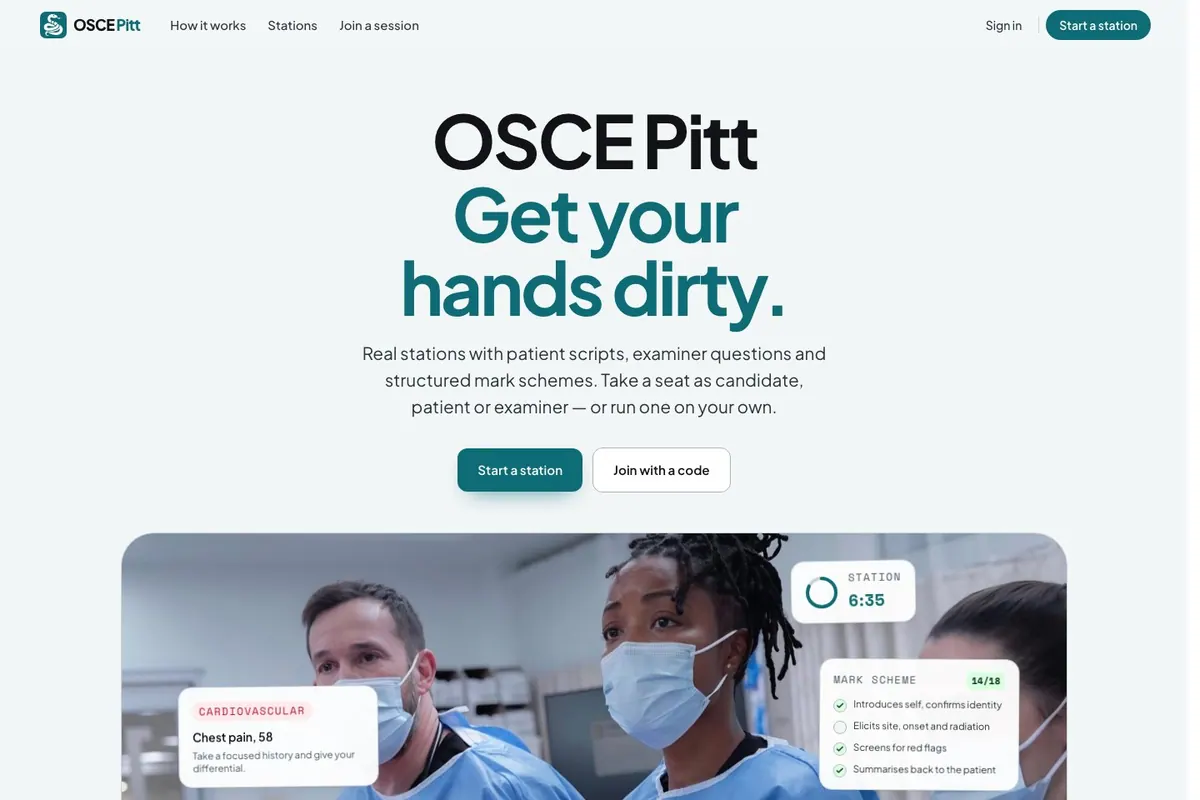
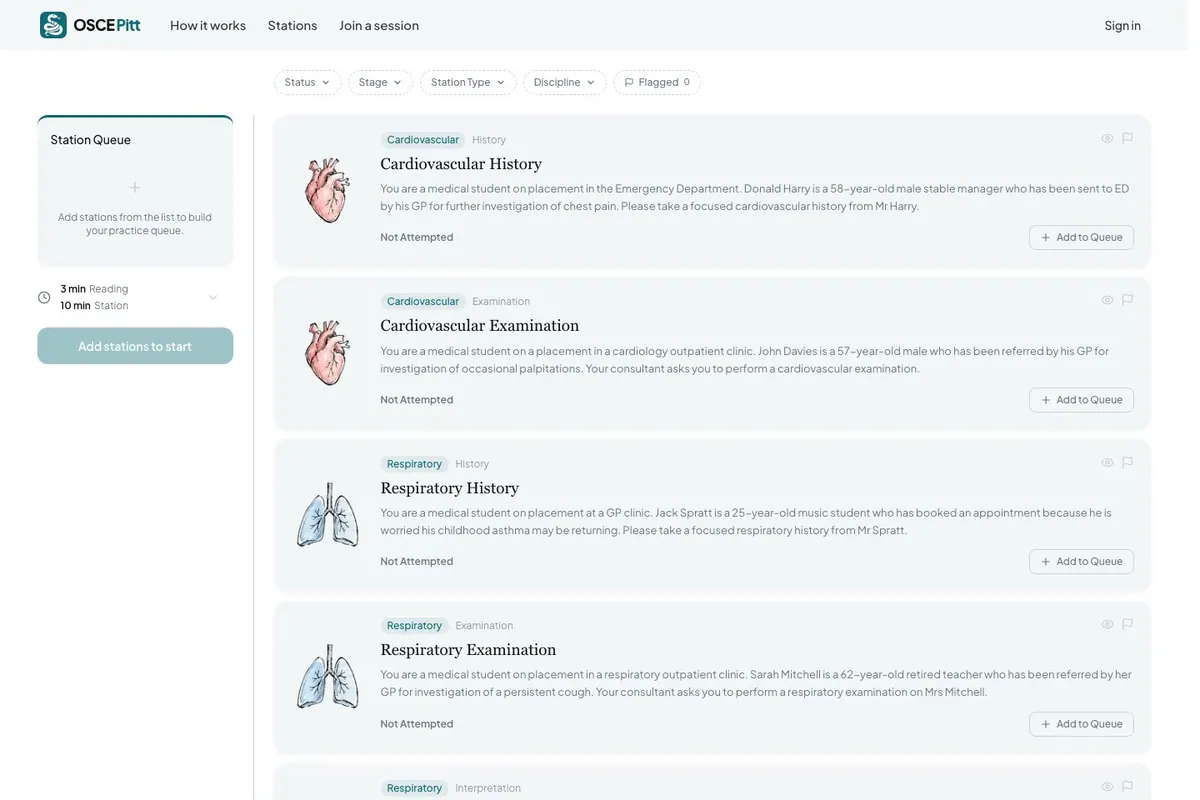
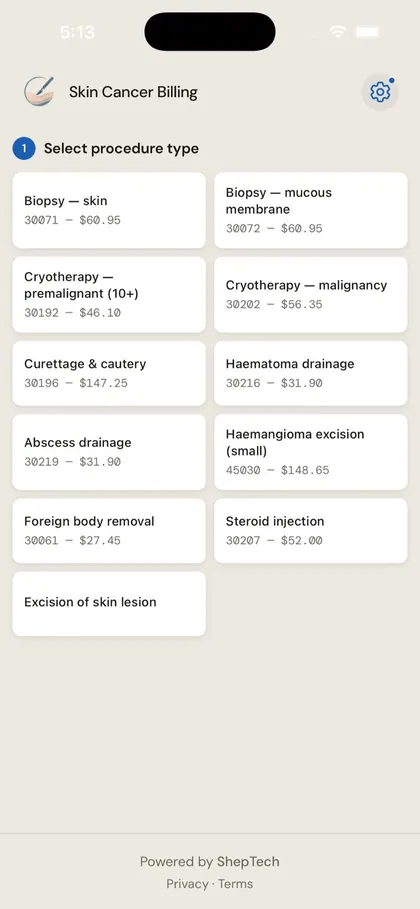
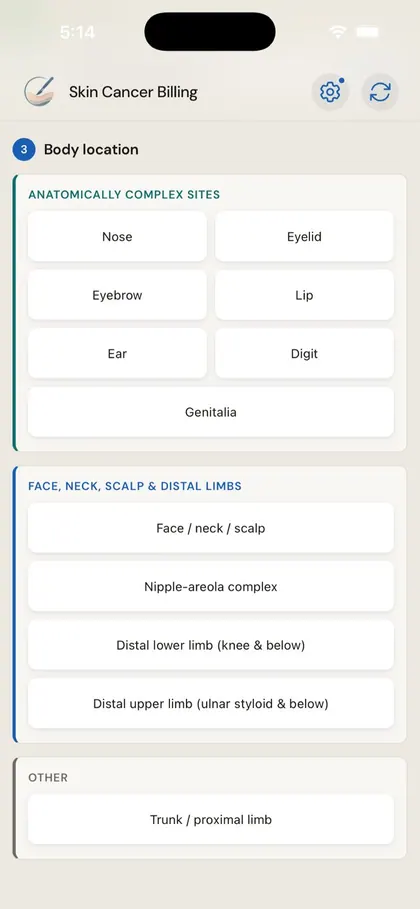
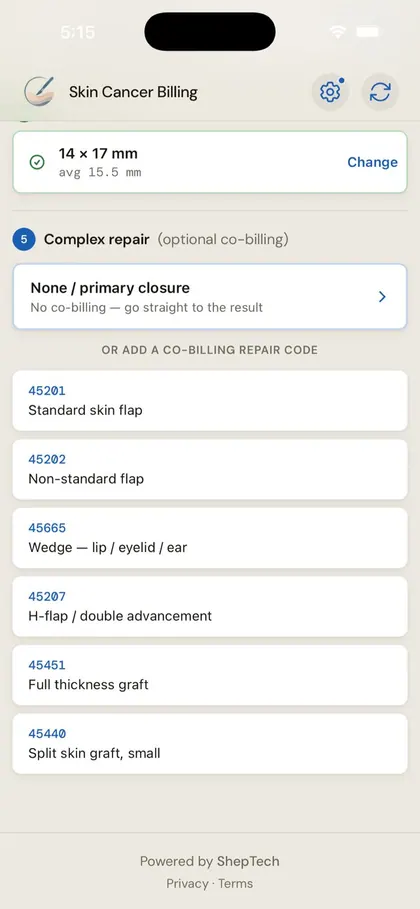
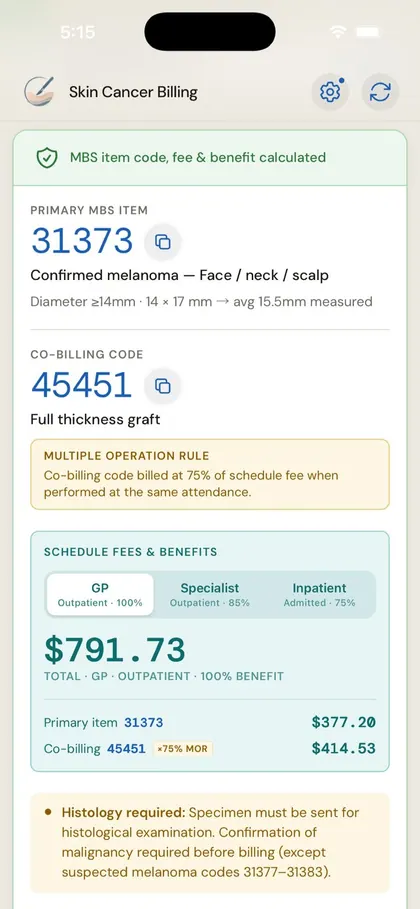
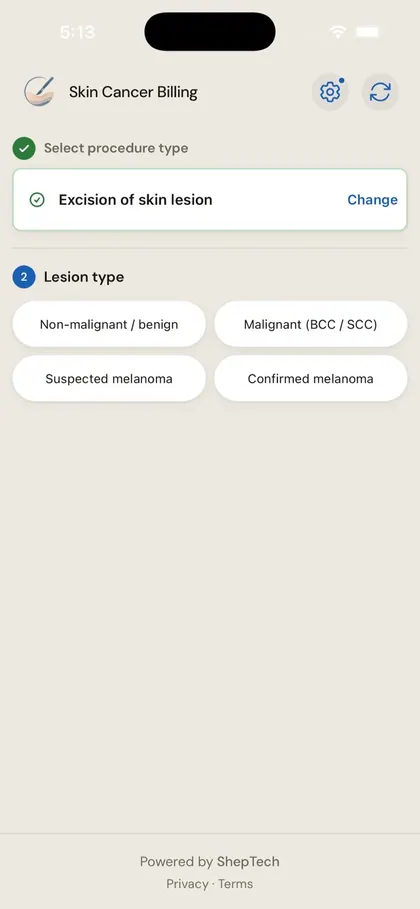
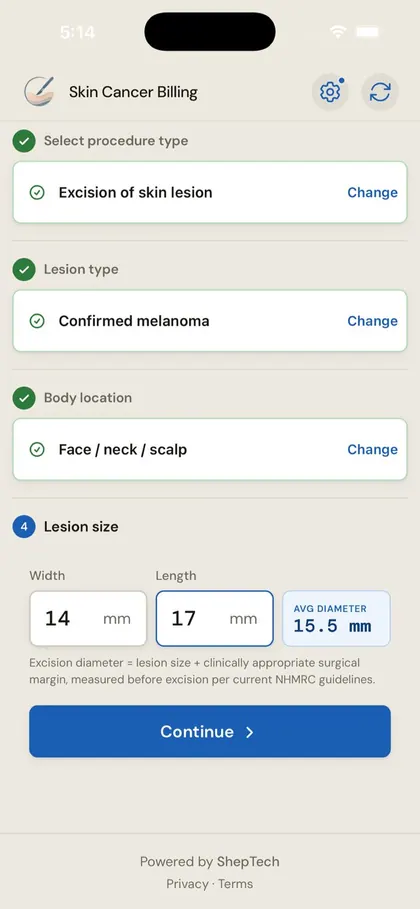
Yes. Ace Rheumatology, an education platform for doctors preparing for the RACP rheumatology written exam. ND Hub, a free study platform for medical students with clinical cases, MCQ practice and OSCE stations. OSCE Pitt, an OSCE practice app. Skin Cancer Billing, a free iPhone app for Medicare billing of skin cancer procedures. MiBMS, a training platform for biomedical scientists in the UK.
There is more detail in the portfolio.
It depends on scope: the question types, whether you need OSCE stations, user accounts and payments, and who will write the content.
After a free call I send a fixed quote, so you know the cost before any work starts. Platforms are built in stages, with a first working version early so you can try it with real users.
Education platforms use fictional or de-identified cases, never real patient records. Skin Cancer Billing stores no patient or personal data at all.
Accounts and progress are stored on Google Cloud through Firebase, encrypted in transit and at rest, and card payments go through Stripe, so card numbers never reach my servers. For a tool that must hold patient data, we agree where it is hosted, including an Australian data centre, before the build starts. More on the privacy and security page.
You do. For custom software, at handover the code, your content, and the hosting, payment and domain accounts are in your name, not mine.
For a practice website, you own its content and design and the domain is in your name. The website code I reuse across sites stays mine, and you get a permanent licence to use it. The terms and conditions set this out.
No. ShepTech is based in St Kilda, Melbourne, and works with clients across Australia, and in the UK.
I reply within one business day and we book a free call to talk through what you need.
Then I send a written proposal with a fixed quote and a timeline. Nothing is billed until you accept it.
Tell me about your practice and what you need from your website.

Alex ShepherdMedical Student · Software Developer